1) In what ways does your media product use, develop or challenge form of conventions of real media?
In my thriller opening, we used
Todorov's theory of narrative as we started our opening with an
equilibrium. Here the
equilibrium was where the girl walks down to the woods and nothing seems wrong. The
music soundtrack here doesn't have any
crescendos and stays at the same
tone. However the
non-diegetc soundtrack does sound slightly eery
foreshadowing later events. Therefore this abides with usual thriller conventions as an
equilibrium is present at first and later on in the film/opening shocking events occur.
One of the openings that I looked at - Zodiac (2007) - uses
Todorov's equilibrium technique as at first a couple seem to be taking an everyday drive to get some food, but the plot quickly reveals a sudden change in
tone where both people get brutally murdered.
Thrillers also use
restricted narration frequently in their openings to create
enigma and
engage the audience. When studying my thriller openings, I found this technique in the opening of the film: The Disappearance Of Alice Creed, where two men are seen to be creating a plan, but the
audience do not know what this plan is, but can only guess through hints from the props that the characters use.
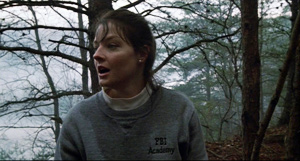
Therefore after looking at this thriller opening, we decided to include the same techniques. By showing the girl looking at an object but never revealing to the audience what it is, this created
enigma and was a form of
restricted narration, forcing the audience to continue watching in order to reveal what the object was and the
significance of it.
Here is the lighting that we wanted to achieve in our thriller:
And here our lighting in our final product. I think that both lighting setups are fairly similar with the use of
desaturated colour (
post-production editing) therefore making the setups fit into the thriller genre well.
When deciding on the costume choices for our actor, we looked into typical clothing - an area of
mise en scene- that represented innocence. We wanted the event to seem unanticipated therefore we felt that dressing our actor in 'every day' clothes would be suitable, and of course they would have to be practical (wearing a coat and wellies). We then looked into colour
representations and found out that white signified innocence, so we then decided our actor to wear a white jumper to subtly connote this. Here is our blog post where we discussed our costume ideas:
http://foundationportfolio1422.blogspot.co.uk/2014/02/costume-ettie-greenwood.html
These
costume ideas can relate from the thriller opening that I analised: The Lovely Bones (2009) where the young girl wears typical child-ish clothes; red dungarees and a white top.
This clothing choice enforces the idea of innocence, along with the characters age - young- , but also contributes towards the
equilibrium. This is where the thriller does not really seem of its genre at first but then the tone of the film quickly changes to a dark and shocking
atmosphere.
Overall, when planning our thriller opening, we carefully looked at the
codes and converntions of thriller films, then applyed this knowledge when creating our own opening. This ensured that our opening fitted the thriller genre as closely as possible and would appeal/please to an audience who liked thriller films.
2) How does your media product represent particular social groups?
The main character in our thriller opening was an 11 year old girl, who comes from the south of England. She is believed to be innocent through her
costume choices, her
body language, and at the end of the opening she cries. This therefore is a true
representation of young characters as she is presented as vulnerable and weak in the thriller opening. This may make the audience
sympathise with the character therefore
engaging them more in the events of the film. A
high angle shot at the end has also been used to highlight her
weakness and
vulnerability after discovering the unknown object.
Gender
In our opening we used a female character who fits the stereotypical values of
femininity:
- She wears clothes which are typical of a 'girl' (jumper, leggings and a coat)
- She has long blonde hair.
- She looks like a 'typical girl'
- She is represented as vulnerable and innocent
By using these common
characteristics of femininity, the audience can easily identify the characters gender and then use their existing knowledge to denote the
assumptions of the gender.
The assumptions of
femininity are sometimes negative though with
labels attracted to the gender such as passiveness and vulnerability. Even though my thriller opening does use these traits, I believe that they are not represented in a negative way as the character is young, therefore justifying these assumptions.
The ending of the opening may follow some assumptions of
femininity though as she cries and this is seemed as a normal thing for females to do. As if the actor had been male and been see crying, the audience could assume that he is a 'wimp' or 'feminine' as it is expected of males to be strong and to resist crying.
Age
As said before, the girl is
represented as innocent through her youth. This therefore makes the audience feel
sympathy with the character when she gets upset as 'she is only young'. When researching about age and gender
representation in existing thriller movies, we looked at how the young girl was
represented in The Lovely Bones (2009) as this
representation of character was similar to our own thriller opening. Here is my blog post about it:
http://foundationportfolio1422.blogspot.co.uk/2014/02/gender-and-age-representation-in-lovely.html
Class and Ethnicity
The
class and
ethnicity of the character were decided due to
pragmatics (who was available at the time). However the
class of the character is similar to our target audience - social groups B to D - which is mostly middle class. This allows the audience to
relate and
engage with the character more as her actions will be familiar to them.
This is also the case with
ethnicity where even though there is a wide variety of ethnicity groups in the UK, the majority of people are of the same ethnicity of the girl - white British -. However this does not make much of a difference as the girl is not
represented in a positive or negative way, so if a different ethnicity was used, eg. black British, the same effect in the thriller would have been conveyed.
3) What kind of media institution might distribute your media product and why?
We have produced our film in the role of an
independent British film company, therefore implying that our film has a
low budget. Therefore we would only be able to find an
indie distributor to work with us and our film.
When looking at individual distributors, we discovered the vast range of small distributors and their specific genres that they cover. But in the end we settled for BBC to distribute our film. We chose the BBC because even though is is a big company, it also focus' on smaller films and aims to get a bigger fan base for them. An successful example of the BBC's work is 'Mrs Browns Boys' where the BBC started only showing it on non-peak times, but as the fan base started to grow, the show started to move more towards the peak times. It is now a very well known show.

The
BBC also distributes a lot of thriller films which connotes its' experience in the genre, while it also has experience with people of our
target audience (15-24) as it has its' own channel BBC Three which has a similar
target audience. Therefore if the BBC were going to
distribute our film, we would also look into them displaying it on the BBC Three channel.
We will also exhibit our film on tablets and smartphones as a lot of people in our target audience age range use tablets on a daily basis. There has also been a huge increase in tablet and smartphone sales in the last few years as statistics show:
- In 2012 the sales of tablets rose by 98%
- The average number of TV's per household dropped from 2.03 in 2003 to 1.83 in 2013 (due to increased smartphone/ tablet sales)
- 63% tablet users watch live TV on their device
- 5 million apple TV's were sold in 2012
These statistics support the view that tablet/smartphone's are used more often nowadays to watch film making it a good way to
distribute our film. Therefore we would place our film on the apple, android and windows store to allow the film to be successful to all people in our
target audience (due to different devices). We could even opt to put our film in for the iTunes 'movie of the week for 99p' which aims to
promote up and coming movies, which is ideal for the situation we are in.

However, we would also like to show are movie in a cinema, where an
Art House cinema - for example: Uckfield Picture House - would be most appropriate due to
smaller funding. The film would also be
digital as
analogue film is not
cost-effective and is heavy to transport.
To advertise our film, (which is one of the most important processes to a films' success!) we would display our adverts on social media websites eg. Facebook and Twitter. This is because social media websites are used everyday by people in our target audience using the websites the most. Facebook also has the ability to center adverts around the target audience, meaning that our advert would only be shown to people in our target audience, or/and if someone had liked a film page where the film shown was another thriller with a similar target audience. This means that our advertising campaign would be cost-effective.
.jpg)
We could also create a Facebook/twitter page where people could share our posts to make the
audience seeing our posts larger and attract more people to watch the film. This is also the case in
viral marketing where if the film got good
feedback people would talk about it to their friends, making them go and watch it too. This form of
advertising is also free!
Finally, our film would be released on a Friday. This is because it is the start of the weekend, when after a hard week at school/work a person would look for a sense of escapism (uses of gratification theory) when watching a movie. However it is also a popular realise day for indie films where in the case that there was negative feedback for the film, people would not be able to tell their colleagues/peers about it until the following Monday by which then they would have forgotten. This allows indie films to hide negative feedback if occurring. But this does not include social media which is now a problem for this 'Friday theory'.
Overall I think that our distributing plans would be successful and would earn our film company lots of money through the correct ways of advertising and exhibition. This means that the greatest amount of profit earned would be available through ticket sales and movie downloads.
4)Who would be the audience for your media product?
Before creating our thriller opening we defined a target audience f
or our opening to be aimed at. Here is a screenshot of a previous blog post where we defined our target audience:
Click to view Target Audience Post
We also looked at an existing thriller film which had a similar target audience as the thriller we were going to create. This allowed us to look at what had been used in the thriller and we could use similar conventions in ours. The film that closely fitted our target audience was 'Magic Magic' (2014).
By creating our target audience, we were then able to come up with thriller ideas which would suit and attract our desired audience.
5) How did you attract/ address your audience?
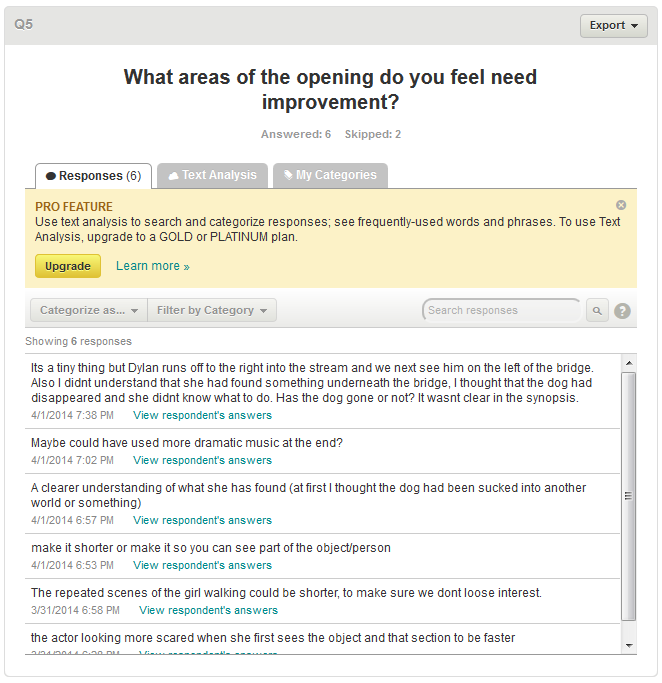
To work out whether I had done this or not, I created a survey asking people in my desired audience questions about the thriller film. I sent the survey to people via Facebook and asking them individually on Facebook messenger.
These are the questions that I asked my target audience:
1. From watching the thriller opening, do you think that it targets male and females aged 15-24 suitably?
2. After watching the thriller opening, would you continue watching the rest of the film?
3. The synopsis (plot line of the film) is:
Our thriller story idea is about an innocent girl who gets caught up in something quite the opposite.
She leaves her house about mid-afternoon to walk her dog. She takes her usual route down her quiet road, through the twittens and forest paths, through the field into the woods. Although she takes this route more or less everyday, the woods seem more quiet than ever. The dog runs off and finds something in the stream, as she approaches she realises what it is.
The death of her parents is brought back to life as she rediscovers the events of what happened all those years ago by finding the only object that was left to her after her mother and father died (in the stream), that she was first lead to believe was due to a fire; the rediscovery of the object sparks a chain of events that enlighten her of the real reason behind her parents death.
After the rediscovery of this object, the young girl is lead into a dangerous rat race to find out her parents were murdered. And now the murderer is after her.
Do you feel this story line would interest you?
4. What do you like about the opening?
5. What areas of the opening do you feel need improvement?
6. What age rating would you give the thriller film?
7. Do you feel that you could relate/empathise with the characters' feelings in the opening, and how did you feel this was done?
8. Do you feel the young girl in the piece is seen as innocent, and how do you feel this is done?
9. If we had changed the main character to be older or male, do you think the same effect would have been achieved (innocence of the character). Please state your view and why?
10. Do you feel that the soundtrack (music) fits well with the thriller opening style and genre?
I then looked at the results and found out that:
- Most people thought that the thriller opening suited their target audience (15-24)
- Most people thought that the music was synchronous to the opening.
- There was some confusion of what the age rating would be (I think this is due to the equilibrium start, but later in the synopsis the film would become more suited to an older age group, hence the bbfc 15 age rating).
- The character choice (female and young) was effective - respondants thought that the sympathy/innocence would not be achieved if the character was male or older.
- All respondants would continue watching the film- This shows that our use of enigma and suspense engaged the audience successfully.
- The opening suited both males and females- as I asked a mixture of both sex's and 100% of people said that they would continue watching the film.




6) What have you learned about technologies from the process of constructing this product?
For this question I have made a 'Prezi' presentation where the link to it can be found by clicking on the photo below:
7) Looking back at your preliminary task, what do you feel you have learned in the progression from it to the full product?
Before starting the preliminary task, or even the AS Media course, I had only a small knowledge on filming effectively and editing successfully. Therefore, the preliminary task acted as a learning step to help me achieve better results in my final thriller opening.
The task for the preliminary exercise was to maintain
continuity by using techniques such as: the
180 degree rule and
match on action. And we had to achieve this by filming a character walking through a door, entering a new room and exchanging a few lines of dialogue with another character. For this exercise my group decided to film one character walking through a door, and entering an interview room, whereby they would start to ask the interviewee questions and show them evidence.
For this, we had to learn how to create
match on action effectively as we decided to
cut to a closer shot of the characters hand while she was opening the door. To do this we had to carefully make sure the actor was opening the door in the same way each time and the shot was at a similar angle to the previous shot. We then also had to intricately edit the footage to achieve
continuity. We also did this technique when the character was placing bags of jewellery onto the table. In both examples of
match on action, we used
sound-bridges to enable
continuity to be most effective and learned how to do this on Final Cut Pro.
As we felt that this technique looked successful in our preliminary task, we decided to use the same technique in our thriller opening. We used the zoomed in
match on action technique when our character was opening the door to exit. By already knowing how to do this technique, I believe it made filming the technique in the final product easier and were able to make it even more accurate as we had already had a lot of practice.
When doing our preliminary task, we had a slight problem where we didn't film enough footage to cover the 1 minute of footage that was needed (we only had 33 seconds worth). Therefore we ensured that when we planned our thriller opening, that we had storyboarded our timings more accurately and when we filmed, to film some extra
footage if we didn't cover the whole 2 minutes that would be needed. We therefore learned from our first fault and this enabled us not to make the same mistake again in our final product.
Another fault that we made when doing filming our preliminary exercise was leaving unnecessary objects in the frame: In our prelim we left our story board notes on the table and accidentally filmed 1 shot with them in, not allowing
continuity to be achieved. Luckily we spotted this and re-filmed so in the final piece, this mistake was not present. Here is the blog post we did about spotting and correcting the error:
http://foundationportfolio1422.blogspot.co.uk/2014/01/clip-alteration-ettie.html
One of the main thing that I have learnt from the progression from the preliminary task to the final product is the use of my
editing software - Final Cut Pro. Before the preliminary task, I had never used this editing software before so new vary little about how to edit. Therefore the prelim task acted a
leaning curve and enabled me to learn about the software before creating my final product where I could then expand my editing skills further.
Overall I think that the preliminary task was a good way to develop my skills in filming a short piece, and enabled me to realise my first mistakes and make sure that they would not occur in the final product.